Blog & News

Organic Know-How

Organic farming know-how, healthy recipes, and the journey of building sustainable agriculture in the Lâm Đồng highlands.

Farm

Why Lâm Đồng's Basalt Soil Is "Gold" for Organic Farming

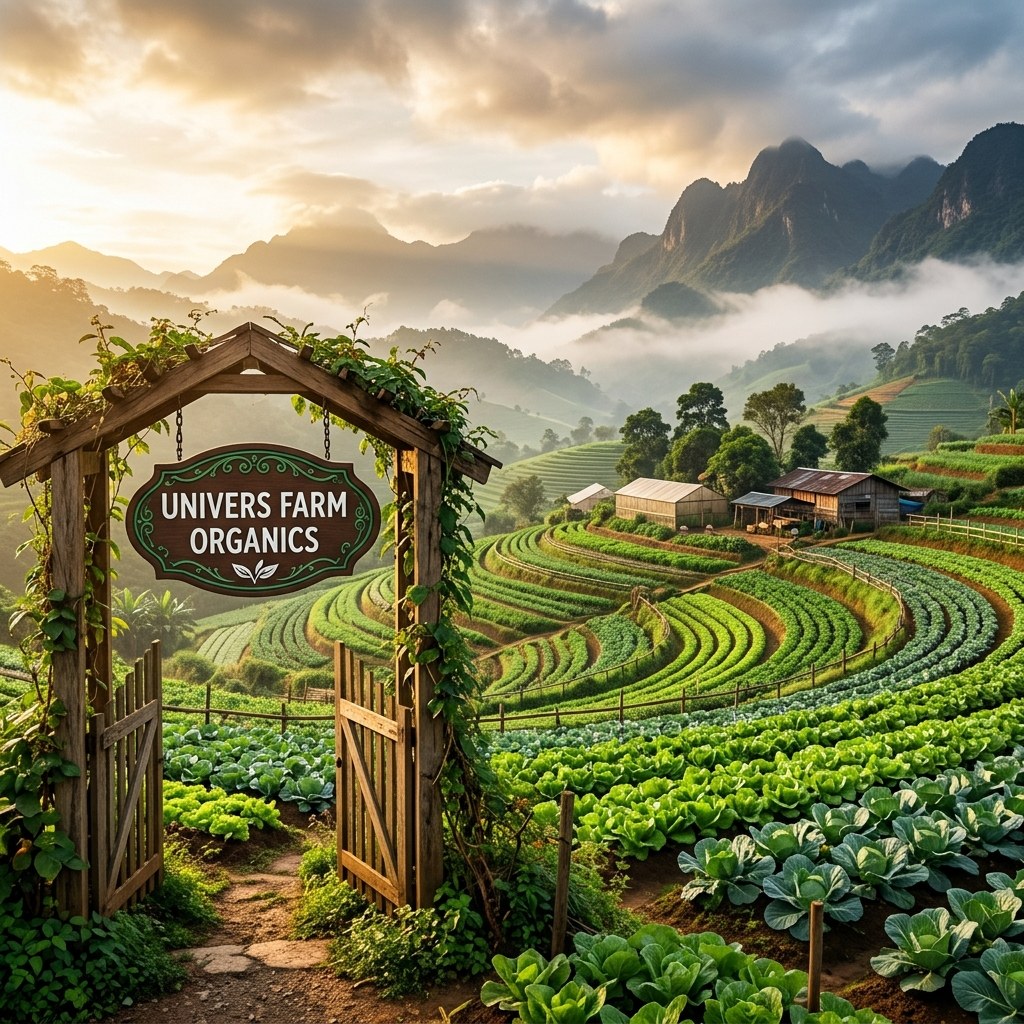
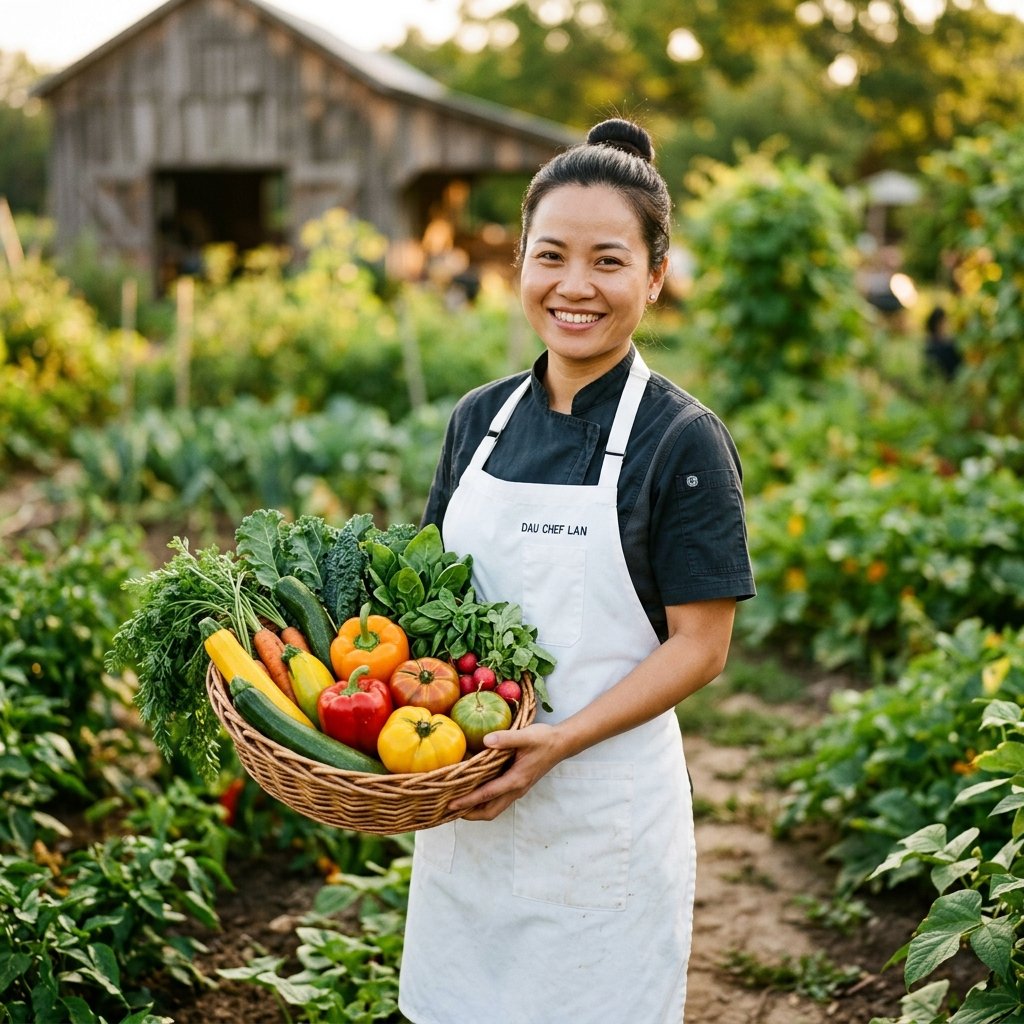
Univers FarmOrganics organic farm in the Lâm Đồng highlands

If you've ever wondered why Da Lat vegetables taste different from those grown in the lowlands — the answer isn't only the cool climate. It lies deep in the earth, in millions of years of history written into a unique volcanic plateau.

What is red basalt soil?

Red basalt soil (laterite) forms from volcanic rock weathered over millions of years. On the Lâm Đồng plateau this layer is 2–5 metres thick, with its signature red colour from a high iron-oxide content. The natural pH of basalt soil sits between 5.5 and 6.5 — exactly the ideal range for roots to absorb nutrients most efficiently, especially calcium, magnesium and potassium.

Beyond that, basalt soil is loose and naturally well-draining — roots don't become waterlogged even through a long rainy season. A rich soil microbiome breaks down organic matter and feeds plants steadily, with no need for chemical fertilizers.

Why "pristine land" matters most of all

In organic farming, where a plot starts determines everything. Land previously farmed conventionally can carry pesticide residues, heavy metals and chemical fertilizers accumulated over decades — and it takes at least 3 years of conversion to qualify for organic certification.

Before founding Univers FarmOrganics, the founder spent 5 years surveying more than 20 sites across Lâm Đồng, Phan Thiết, Đồng Nai and Bình Phước. Each candidate was ruled out for traces of past farming, proximity to industrial zones, or unreliable water sources.

"We took 20 soil samples from different areas and sent them to an independent lab for over 50 indicators. The sample from Eucalyptus Hill — a wild hill covered in eucalyptus, never farmed — came back completely clean. That was the day we found home."

14 hectares of pristine land in Lạc Xuân commune, Đơn Dương district — never farmed, free of chemical residues and heavy metals — became the foundation of one of the few Vietnamese farms to hold all three international organic certifications simultaneously.

The highland climate — an advantage that can't be copied

At 1,000–1,200 m above sea level, Đơn Dương averages 18–22°C year-round, with virtually no hot summer. More importantly, the day–night temperature swing of 10–15°C means plants photosynthesise and store nutrients and sugars during the day, while the cold night slows consumption — building significantly higher nutrient content than lowland vegetables.

This is why Oakleaf lettuce grown in Da Lat is crisp, sweet and never bitter. Beef tomatoes have a deep natural sweetness without any added sugar. Herbs carry more aromatic oils. It's not magic — it's plant physics and chemistry.

The low temperatures also naturally limit pests and harmful bacteria, helping Univers FarmOrganics maintain pesticide-free farming without sacrificing yield.

Farming as science, not "traditional farming"

Organic doesn't mean old-fashioned. At Univers FarmOrganics every decision is data-driven: regular soil testing, water analysis from the rainwater reservoir, monthly soil-microbe monitoring. Microbial organic fertilizer is added in the right dose per batch based on analysis — not by guesswork.

The result is a sustainable cycle: healthier soil every year, healthier plants every season, better vegetables reaching your table.

Taste vegetables from the pristine soil of Lâm Đồng — harvested at dawn, delivered chilled to your door.

Order Now
Health

Organic vs. Conventional: 5 Differences You Should Know Before Buying

Univers FarmOrganics fresh organic vegetable box

You're standing before two bunches of vegetables at the supermarket — one labelled "clean vegetables" at 15,000đ, one labelled "USDA Organic" at 42,000đ. Almost three times the price — is it really worth it? The answer requires understanding what truly differs between the produce on the market.

"Clean vegetables" is not organic

Here's what few people know: in Vietnam, "clean vegetables" is a term with no legal definition. Any seller can print "clean" on the packaging without any certification, inspection, or reporting to anyone.

There are three distinct levels you should tell apart:

5 core differences

1. Plant protection

Conventional and VietGAP vegetables use synthetic chemical pesticides to kill pests. Even with pre-harvest intervals, small residues can remain. Organic vegetables are hand-weeded of pests, use natural predators (such as parasitic wasps and ladybugs), and are grown in an environment designed to limit pests in the first place.

2. Fertilizer

Synthetic NPK fertilizer delivers nitrogen-phosphorus-potassium fast and cheap, but doesn't nourish the soil microbiome — and can harden the soil over time. Organic fertilizer (compost, microbial blends) is slower but improves soil health for the long term.

3. Third-party certification

The most important difference of organic: it can't be self-declared. Independent certifiers (CCOF, Oregon Tilth, OFDC...) inspect on-site at least once a year, analysing soil, water and product samples. All inputs must be approved. You can't cheat for long.

4. Nutrition

A 2014 study in the British Journal of Nutrition reviewing 343 comparative papers found organic produce contains 19–69% more polyphenols and antioxidants than conventional. The reason: without chemical protection, plants must produce their own protective compounds — and those compounds are exactly what benefit the people who eat them.

5. Environmental impact

Pesticides and chemical fertilizers don't only affect the vegetables — they leach into the soil, into groundwater and surrounding ponds. Organic farming releases no chemicals into the environment. Over 10–20 years, organic soil becomes more fertile rather than depleted.

Why it costs more — and why that's fair

The higher price of organic produce reflects real costs: annual international audit fees (tens of thousands of dollars), higher labour for hand-picking pests, lower yields (no growth stimulants), and the cost of pollution-free pristine land.

When you buy certified organic produce, you're not only buying food — you're investing in your family's long-term health, in farmers who farm the right way, and in the environment for the next generation.

How to recognise genuine organic?

No logo, no lookup number: it's "self-claimed" organic.

Genuine organic produce — USDA, EU and HALAL certified — from 14 hectares of pristine land in Lâm Đồng.

View Products
Recipes

3 Da Lat Salad Recipes for a Quick Lunch Under 10 Minutes

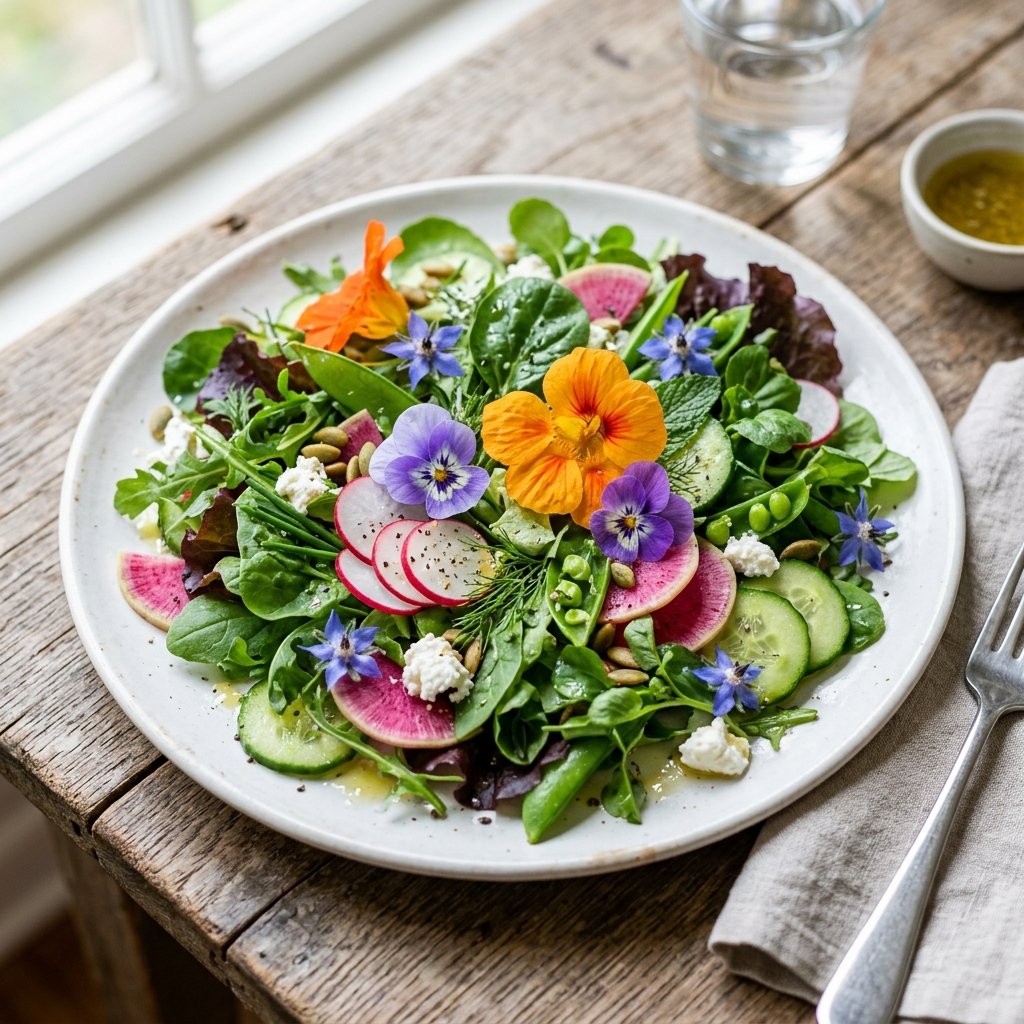
Fresh organic leafy salad from Da Lat

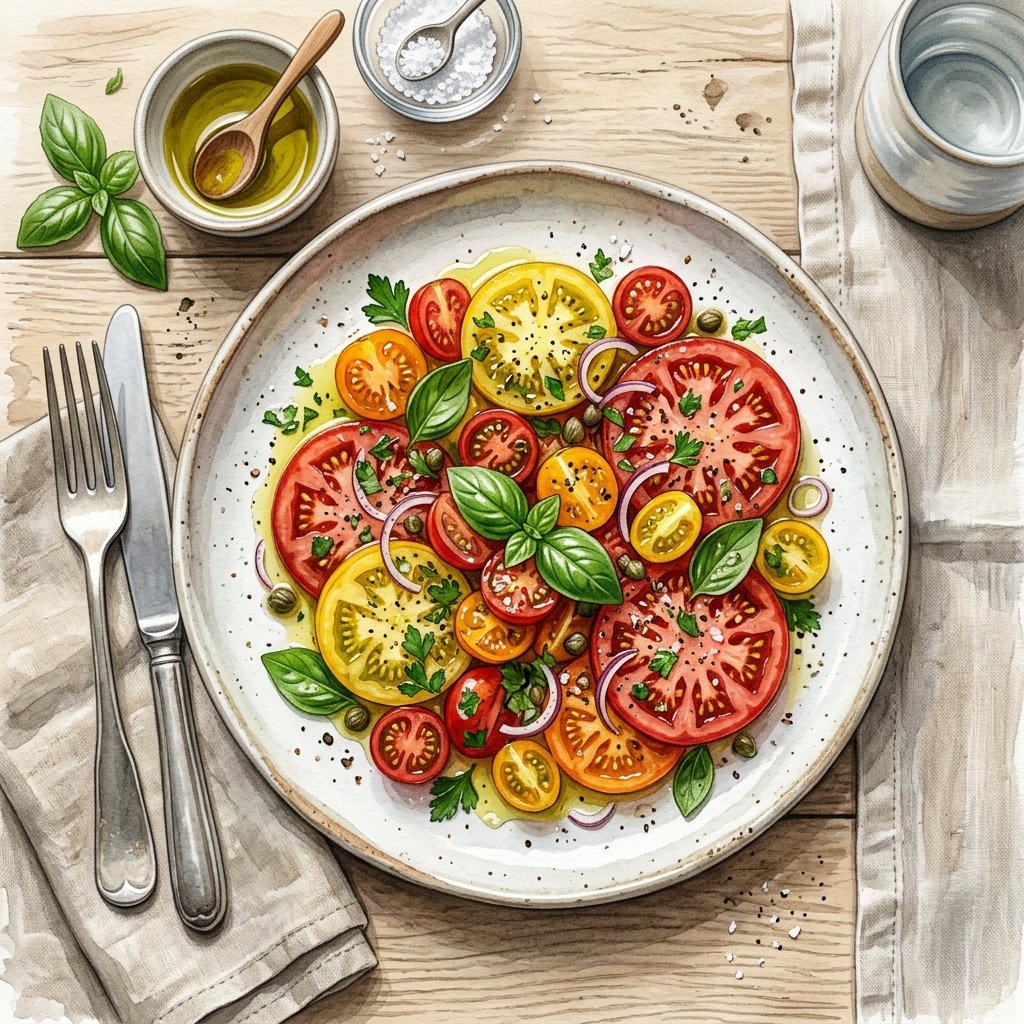
Your organic vegetable box just arrived. You have 10 minutes before lunch. What do you do with that Oakleaf lettuce, bag of arugula or head of butterhead looking at you from the fridge? The three recipes below make the most of organic produce's natural freshness — no cooking, no chef, no more than 10 minutes.

Recipe 1: Oakleaf & Da Lat Avocado Salad

⏱ 8 min · 🍽 2 servings

Ingredients:

  • 100g Green or Red Oakleaf lettuce (Univers FarmOrganics)
  • ½ ripe Da Lat avocado (gives slightly when pressed)
  • 100g red cherry tomatoes, halved
  • 2 tbsp extra virgin olive oil
  • 1 tbsp apple cider vinegar
  • Sea salt, ground black pepper

Method: Wash the lettuce and drain or spin dry. Slice the avocado thin. Whisk olive oil + vinegar + a pinch of salt + pepper in a small bowl. Arrange lettuce on a plate, layer avocado and tomatoes on top, drizzle the dressing evenly. Serve immediately.

Tip: Oakleaf lettuce is mild and never bitter — it pairs with any dressing. Don't let it sit long after dressing, as the leaves wilt quickly.

Recipe 2: Arugula & Beef Tomato, Italian Lemon-Oil Dressing

⏱ 6 min · 🍽 2 servings

Ingredients:

  • 80g arugula (rocket) — with its signature peppery bite
  • 150g organic beef tomatoes, cut into wedges
  • 30g shaved Parmesan (or crumbled creamy cheese)
  • 3 tbsp olive oil
  • 1 tbsp fresh lemon juice
  • Salt, pepper; optional: a few lightly toasted pine nuts

Method: No need to cut the arugula — leave the leaves whole. Whisk olive oil + lemon juice + salt into a dressing. Spread arugula on a wide plate, arrange tomatoes in a ring, scatter Parmesan, drizzle the dressing, and sprinkle pine nuts if using.

Tip: The simplest Italian style — ingredient quality decides everything. Organic beef tomatoes from Da Lat are naturally sweet enough to need nothing more.

Recipe 3: Butterhead with Asian Roasted Sesame Dressing

⏱ 10 min · 🍽 2 servings

Ingredients:

  • 150g butterhead lettuce — buttery flavour, soft leaves
  • 1 small carrot, finely julienned
  • 1 tbsp fried shallots (store-bought or quickly fried)
  • Sesame dressing: 2 tbsp sesame paste (tahini or ground roasted sesame) + 1 tbsp soy sauce + 1 tbsp rice vinegar + ½ tbsp honey + 2–3 tbsp warm water to thin

Method: Make the sesame dressing first — whisk until smooth, adjusting water so it pours gently. Tear the butterhead into bite-sized pieces. Toss greens + carrot + dressing. Plate and top with fried shallots and a little roasted sesame.

Tip: Butterhead is soft with a gentle buttery taste — perfect with a rich Asian dressing. Add pan-fried tofu for a more filling meal.

Store leafy greens properly so they're always salad-ready

Organic vegetables have no preservatives, so they need proper storage. After delivery: don't wash right away, keep them in their bag in the fridge (4–6°C). Only wash before use. Leafy greens are freshest in the first 3–5 days after harvest — which is why we deliver 2–3 times a week rather than one big drop.

Order this week's mixed leafy box — Oakleaf, arugula, butterhead, fresh from the farm to your door.

Order via Zalo
Certification

USDA, EU, HALAL — A 5-Year Journey to 3 International Certifications

USDA EU HALAL international organic certifications

Three small logos on the packaging — USDA Organic, EU Organic, HALAL — are the crystallisation of 5 years of uncompromising work. Behind each seal are hundreds of criteria, dozens of inspections, and a commitment to quality that never steps back.

Why certification matters more than a promise

In Vietnam's vegetable market, anyone can say "my vegetables are clean." But words can't be verified. International certification is an independent third party standing behind the claim — and putting its own reputation on the line.

USDA NOP — Among the strictest standards in the world

The US Department of Agriculture (USDA) National Organic Program (NOP) is regarded as one of the most rigorous organic standards. To earn it, Univers FarmOrganics had to prove: soil free of synthetic chemicals for at least 3 years, clean water, non-GMO seeds, and a fully transparent record of the entire growing process.

Each year, a USDA-accredited certifier visits the farm in person — reviewing records and taking soil and vegetable samples for lab analysis.

EU Organic — Opening the door to Europe

EU Organic certification gives products access to one of the world's most demanding markets — the European Union. The standard is equivalent to USDA but adds requirements for traceability and environmental protection.

HALAL — Serving 1.8 billion people worldwide

HALAL certification confirms products are suitable for Muslim consumers — a market of 1.8 billion people. For vegetables, HALAL guarantees no cross-contamination with prohibited substances across the entire production and packaging chain.

Three certifications, one commitment: absolute transparency from seed to table.

Three certifications, one commitment

Earning all three at once isn't to "decorate the packaging." It's a promise to customers that every stalk is grown to the highest standard — whether you are Vietnamese, European, or Muslim.

Experience organic produce with 3 international certifications — transparent from farm to table.

View Products
Seasons

Da Lat Seasonal Vegetable Calendar — Which Month for Which Vegetable?

Da Lat seasonal vegetable calendar

Da Lat is blessed with a cool climate year-round, yet each season still brings vegetables at their peak flavour. Eating in season is the smartest way to get the highest nutrition at the best price.

Da Lat has two seasons — and the vegetables "read" them

The Lâm Đồng plateau has two distinct seasons: the dry season (Nov–Apr) and the rainy season (May–Oct). Each creates ideal conditions for different groups of vegetables.

A month-by-month calendar

🌟 January–March (Peak dry season)

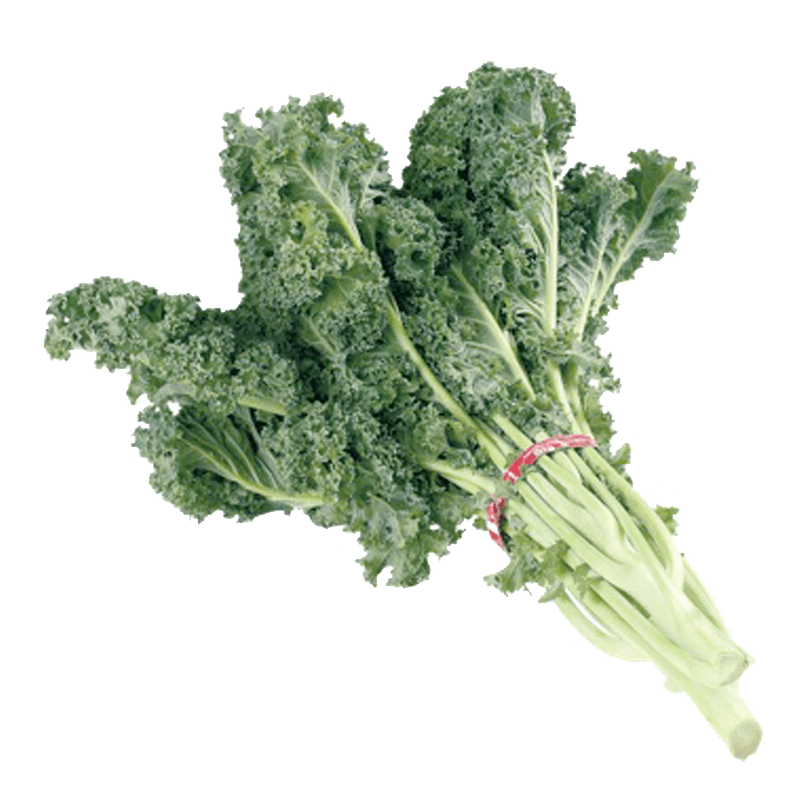
The golden window for leafy greens: all kinds of lettuce, spinach, kale. The cold, dry air makes them crisp, sweet and pest-free. This is also Da Lat strawberry season.

🌿 April–June (Season transition)

Tomatoes, cucumbers and bell peppers come into season. Warming temperatures encourage flowering and fruiting. Fruiting vegetables reach their highest sweetness.

🌧 July–September (Mid rainy season)

The season for root vegetables: carrots, beetroot, kohlrabi, potatoes. Moist soil helps roots grow large and sweet. Herbs like basil and coriander also thrive.

🍂 October–December (Late rains into dry season)

Zucchini, broccoli and cauliflower come into their main season. The cool weather is ideal for the brassica family to grow firm and full-flavoured.

Tip: Subscribe to a seasonal vegetable box to always receive produce at its freshest peak — cheaper and more nutritious.

Greenhouses — great vegetables any time

Thanks to a modern greenhouse system, Univers FarmOrganics can grow many vegetables year-round regardless of weather. But we still prioritise growing each vegetable in its natural season — because that's when it tastes best and needs the least intervention.

4 tips for choosing seasonal vegetables

1. In-season vegetables are always cheaper and fresher. 2. Natural colour, not overly glossy. 3. Stems still fresh, leaves not wilted. 4. Buy from a certified source for peace of mind about residues.

Get a seasonal vegetable box — always fresh, always in season, delivered to your door.

Order a Box
Partners

Why Do 5-Star Restaurants Choose Certified Organic Vegetables?

5-star restaurants choosing organic vegetables

In the world of fine dining, ingredients define class. That's why more and more fine-dining restaurants and 5-star hotels in Vietnam are switching to internationally certified organic vegetables.

The farm-to-table movement is booming in Vietnam

After the COVID-19 pandemic, awareness of food origins shifted dramatically in Vietnam, especially among the urban middle class and international guests. People began asking: "Where is this vegetable from? How was it grown? Has it been tested?"

5-star hotels and fine-dining restaurants must have a clear answer — with evidence. This pushes them toward internationally certified suppliers.

5 reasons high-end restaurants won't compromise

1. A common language with international guests

The USDA Organic and EU Organic logos are symbols foreign guests recognise instantly — no further explanation needed. A restaurant in Saigon serving guests from the US, Japan and Europe needs certification language the world understands.

2. On the menu and in marketing

"Sourced from USDA Certified Organic Farm, Lam Dong, Vietnam" — this line can be printed on a menu because there's legal documentation to back it. Michelin Guide restaurants need exactly this: a true, verifiable story.

3. Food-safety risk management

A single food-poisoning incident can erase a restaurant's reputation in hours. Certified, traceable vegetables reduce that risk to a minimum.

4. Consistent quality year-round

Restaurants need consistency. Univers FarmOrganics, with its greenhouse system, ensures stable supply and quality without depending entirely on the weather.

5. A brand story with depth

High-end guests don't just eat a dish — they "eat" the story too. A 14-hectare highland farm with 3 international certifications is a story worth telling.

The paradox: families deserve as much as 5-star restaurants. Why should the meal at your home use lower-quality vegetables than a restaurant's?

The paradox: families deserve as much as 5-star restaurants

If organic vegetables are good enough for a Michelin restaurant, why not for your own family? Univers FarmOrganics delivers the same quality to 5-star restaurants and families alike — because we believe every meal deserves it.

Bring 5-star restaurant–grade vegetables to your family table.

Explore Products